

Hoffman: In Agency Acquisitions, Transparency Is King
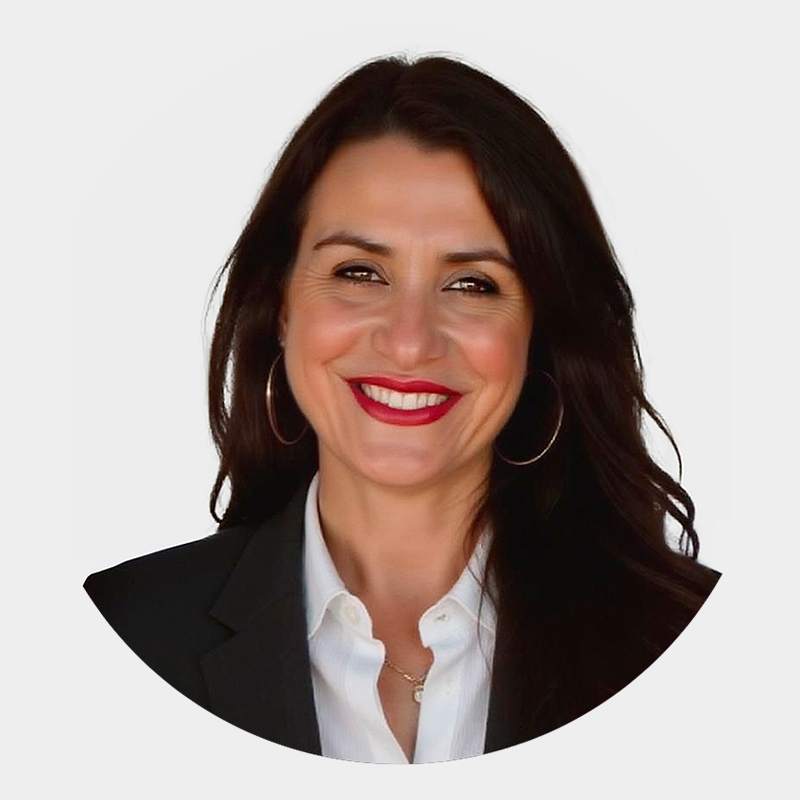
Between mid-June and mid-July, APCO Holdings announced the acquisitions of three agencies: Southeast powerhouses Georgia Wheelz and Dealer Performance Group, whose offices are within driving distance of APCO’s Atlanta-area headquarters, and Northern New Jersey’s Fidelity Dealer Services.
Dealer Agent News caught up with APCO President Courtney Hoffman to get insights into those moves and ask what she looks for in an agency acquisition.
DAN: Courtney, is APCO on an agency shopping spree, or did you just happen to close three acquisitions in four weeks?
Hoffman: We’ve been heavy in the M&A space with 43 acquisitions since 2020. So this may look like a spree, but in reality, it’s more disciplined. Each was the result of longstanding conversations, a strategic fit and timing aligning all at once.
So we’re not pursuing volume for its own sake. We’re really pursuing agencies whose capabilities, culture and dealer relationships will strengthen our ecosystem. When multiple opportunities meet those criteria at the same time, we’re going to execute on them.
DAN: After capabilities, culture and dealer relationships, what other qualities do you look for?
Hoffman: We look for stable leadership and strong values. And we look for principals who really invest in their people. They integrate more smoothly in sustainable future growth, historically. So not just the number of rooftops but the trust, tenure and influence the agency has earned.
Geographic reach is big for us. We target underpenetrated markets where we see long-term growth or alignment with one of our channels — automotive, powersports, RV or marine.
And now, with the growing adoption of AI — which is a strategic priority for our organization — we look at agencies that are embracing digital tools. They understand the importance of data and they are really engaging with tools that accelerate value and profits.
DAN: I take your point about wanting to work with agents who are forward-thinking and innovative. But could you not argue that, if you find an agency you like, and they are not using the latest tools, there may be untapped potential?
Hoffman: Yes, 100%. And they may want to adopt them, but they don’t have access, right? It takes an investment. It takes capital. So if we are able to acquire an agency and then give them access to all of these tools that our enterprise uses — and that we know have best-in-class service — and we deploy them, what could that do for that agency’s dealer partners?
When an agency becomes part of our organization, those enterprise resources — technology, training, marketing, compliance, analytics — it just helps elevate that relationship. It’s a stronger growth engine for the agency. But I don’t want to undermine the importance of agents to dealers, because we are agents at heart.
DAN: The DPG and FDS releases said those agencies will operate as part of the EasyCare brand. Does that mean they will be exclusive to EasyCare?
Hoffman: Our motto is, we’ve got a lot of partnerships with third parties, and if one of our competitors is a better fit for the dealer, we are going to support those partnerships. We respect our competitors and we do a lot of business with them through these acquisitions.
DAN: How do you preserve an agency’s founder-driven culture post-acquisition?
Hoffman: There is one stat I’m most proud of, the one I would cite if anyone ever asked me for a career highlight or the legacy I’d like to leave behind: Over those 40-plus acquisitions, we have retained 95% of employees. And 80% of the leaders in our sales organization joined us via acquisition.
Agency founders, in most cases, these are people we couldn’t hire. They’re entrepreneurs. They’re spirited. They are mostly A-type personalities. But those stats alone tell you how we treat the individuals who come into our organization. Founders may sell their businesses for different reasons, but in all of those conversations, they mention how important their people are to them, and how they contribute to the legacy of the agency.
So we just integrate structure, not spirit. We want everybody to stay the entrepreneur that they are.
DAN: If I’m an agent, before I even entertain a conversation, let alone an offer, what do I need to know?
Hoffman: Everybody knows there’s a financial component. But there’s also a very big emotional component, and that tends to be undervalued. People think it’s all about the numbers. But you need to be emotionally ready for this transition.
Whomever you’re having a conversation with, you’re not just talking about the process of selling the business. You’re talking about what day one and day two of your life as an employee, rather than an owner, will look like.
Do you even want to stay in the organization, or do you want to retire? I think you need to really think that through, because people are going to build plans around what you say you want to do. Be prepared to lay out what is important to you in the long term — for yourself and for your team.
The best outcome is hitting the goals and objectives that you set together, as partners, at the outset. Some agents have said maybe they should have held on a little bit longer. But they have never said they regretted selling. We don’t want anybody to have regrets, right? That’s why transparency is always at the forefront of any deal we put together.
Tariq Kamal is the publisher of Dealer Agent News, Auto Dealer News and AI Dealer News.


